
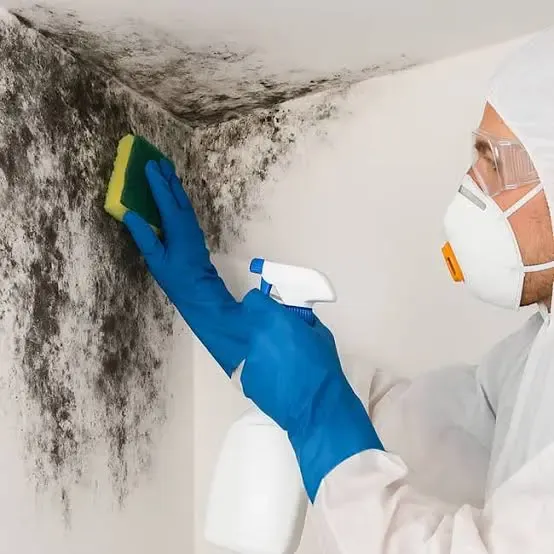
Water damage can create a serious problem for a home, and mold is one of the biggest concerns. A leaking pipe, broken water heater, overflowing toilet, roof leak, or storm flooding can leave walls, floors, and furniture damp.
In South Florida's sub-tropical climate, high ambient temperatures and elevated relative humidity create an ideal breeding ground for microbial growth.
In this guide, you will learn how quickly mold grows after water damage, why the 24 to 48-hour window is so critical, the warning signs to watch for, and how to protect your family's health.
The 24 to 48-Hour Mold Growth Window
According to the Environmental Protection Agency (EPA), mold spores can germinate and begin colonizing moist building materials in as little as 24 to 48 hours after water exposure.
Microscopic mold spores exist naturally in the air. When they land on wet cellulose-rich materials—such as drywall paper, wood framing, carpet backing, or ceiling tiles—they multiply rapidly.
Why Miami's Climate Accelerates Mold
Three elements speed up mold growth in Miami:
- High Heat: Mold thrives in temperatures between 70°F and 90°F.
- Excessive Humidity: Miami frequently experiences ambient relative humidity above 80%.
- Trapped Indoor Moisture: Closed air-conditioned environments with trapped moisture inside wall cavities accelerate incubation.
Hidden Mold vs Visible Mold
By the time you see dark spots on walls or around baseboards, mold has likely been growing inside wall cavities, beneath carpet padding, or above ceilings for days.
Early Warning Signs of Hidden Mold:
- Pungent, earthy, or musty odors
- Dark discoloration or peeling paint
- Respiratory irritation, allergies, or coughing indoors
- Persistent dampness on drywall or flooring
How to Stop Mold Before It Starts
The only way to prevent mold is immediate moisture elimination. Extract all standing liquid with water extraction, use commercial LGR dehumidifiers during structural drying, and apply EPA-registered botanical biocides.
If visible colonization has already occurred, professional mold remediation with negative air containment and HEPA filtration is necessary.
Frequently Asked Questions
Under optimal conditions (temperatures above 80°F and extreme humidity), fungal spores begin germinating within 24 hours, forming visible colonies by 48 to 72 hours.
No. Standard fans merely circulate moist air and can actually spread mold spores to unaffected rooms. Commercial LGR dehumidifiers that remove moisture vapor are required.
Never paint over mold. The underlying moisture and live spores will continue rotting the sheetrock from within, eventually releasing airborne mycotoxins.