From Biscayne Bay hurricane storm surges and coastal king tides to torrential flash flooding across low-lying Miami-Dade neighborhoods, our IICRC-certified flood response teams deploy high-volume submersible pumps, antimicrobial sanitization, and commercial desiccant dehumidifiers within 30–45 minutes.
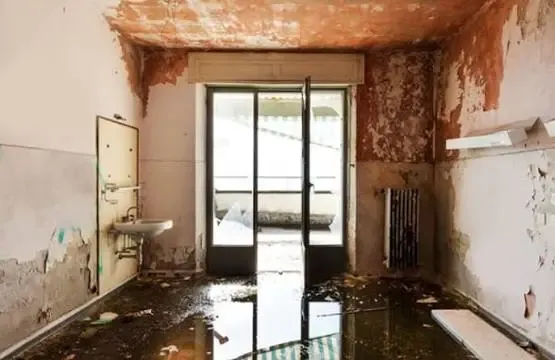
Whether facing saltwater intrusion or flash storm runoff, our industrial fleet handles every class and category of flood disaster:
Violent coastal surges and hurricane wind-driven rains forcing corrosive saltwater through patio sliders, ground-floor entries, and living areas across Miami Beach, Key Biscayne, and Sunny Isles.
Seasonal sunny day tidal floods pushing sea level water backward through municipal storm drainage systems, submerging street levels and infiltrating ground-floor lobbies and condominiums in Brickell and Edgewater.
Severe South Florida rain storms dumping 6+ inches in hours, overwhelming flat terrain and saturated water tables in low-lying basins like Doral, Hialeah, Sweetwater, and Little Havana.
Hazardous floodwaters mixed with municipal sewage backflow, roadway contaminants, and canal sludge requiring strict biohazard containment, HEPA air scrubbing, and medical-grade decontamination.
Hydrostatic pressure forcing trapped groundwater up through porous Miami oolitic limestone foundations, saturating underlayment, adhesive thinsets, and baseboards without warning.
Submerged multi-level subterranean parking decks, retail basements, and elevator mechanical pits requiring 3,000+ GPH heavy-solids submersible pumping to prevent permanent structural loss.
Pumping out thousands of gallons of contaminated floodwater and completely drying concrete slabs requires industrial-grade restoration equipment:
Engine-driven submersible trash pumps capable of discharging 3,000+ gallons per hour of silt-laden, debris-filled floodwater from basements, garages, and flooded ground levels.
Large commercial Low-Grain Refrigerant and desiccant units that pull deep, bound moisture out of saturated concrete slabs, tile adhesives, and dense wall framing.
Ultra-low volume (ULV) cold fogging systems that disperse botanical antimicrobials into framing studs and concrete pores to destroy bacteria, sewage pathogens, and mold spores.
Industrial drying fans blowing 3,500+ CFM across wet floors and behind opened baseboard cavities to break the stagnant air boundary layer and accelerate structural evaporation.
Self-propelled, weighted extraction machines using body compression and high-vacuum suction to pull standing floodwater trapped beneath commercial carpets and pad sublayers.
Infrared thermal imaging and dual-depth electronic moisture meters mapping invisible floodwater wicking up drywall studs, ensuring no hidden moisture pockets are overlooked.
Extracting floodwater in South Florida is fundamentally different than in dry states. Miami's unique tropical humidity, low elevation, porous limestone bedrock, and corrosive coastal storm surges make immediate local expertise essential:
Coastal storm surges leave behind destructive salt crystals that corrode wiring, junction boxes, and HVAC coils. We perform immediate freshwater neutralization washes.
In 88°F+ heat and 90% ambient humidity, Category 3 floodwaters cause aggressive Aspergillus and Stachybotrys mold colonies within 24–48 hours without high-capacity desiccant drying.
Miami concrete foundations are poured over porous limestone that absorbs rising groundwater. We deploy commercial deep-slab drying systems to stop tile debonding and hollow hollows.
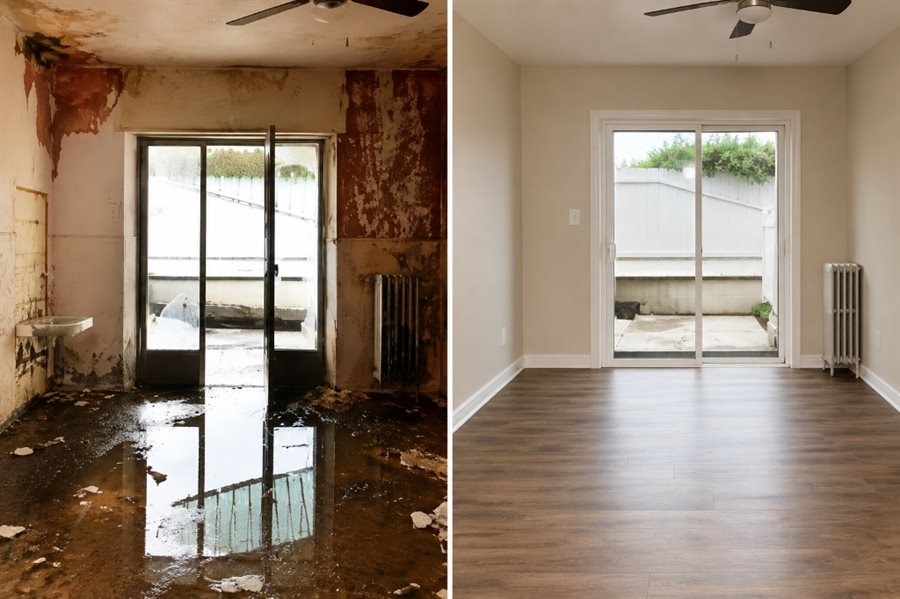
Every flood restoration project follows strict IICRC S500 water mitigation protocols to guarantee safe decontamination, rapid structural drying, and successful insurance approval:
Deploy heavy-duty submersible trash pumps and truck-mounted suction extractors to pump out standing floodwaters within the first hour of arrival.
Perform precise drywall flood cuts 12–24 inches above the water line, discarding water-logged insulation, porous baseboards, and saturated debris.
Treat all exposed framing studs, concrete slabs, and subfloors with hospital-grade EPA-registered botanical antimicrobials to eliminate biohazards.
Install high-capacity desiccant dehumidifiers and axial air movers with daily moisture mapping until your property meets dry certification.
Compile digital thermal proof-of-loss portfolios and itemized Xactimate estimates to bill your flood insurance carrier directly with zero upfront friction.
Water hides quietly under floor tiles, soaks inside baseboards and wall cavities, and triggers rapid mold multiplication in our warm, humid South Florida climate. Immediate extraction stops the spread before structural damage becomes irreversible.
Floodwaters submerge floors, soaking baseboards and porous drywall gypsum, creating immediate risk of electrical short circuits.
Flood silt and street sewage settle into concrete pores, drywall wicks water 2+ feet upward, and hardwood floorboards buckle.
Toxic black mold (Stachybotrys & Aspergillus) colonizes wet drywall surfaces, softening framing studs and doubling restoration costs.
As full-service Miami water damage restoration experts, Miami Rapid Restoration ensures your property is fully protected against lingering moisture. Floodwaters contaminate building materials rapidly, demanding industrial extraction before deep drying begins.
Facing severe floodwater in your home or condo? Here are direct, clear answers to key insurance, safety, and drying questions from our certified specialists:
(786) 919-0847 →Looking for local emergency flood pumping or storm surge water removal in Miami? We provide 24/7 rapid response throughout Miami-Dade County. Check our primary service areas below for fast 30-minute on-site arrival:
Every minute floodwaters sit on your floors increases contamination and structural damage. Our heavy pumping crews arrive in 30 to 45 minutes with full extraction equipment.