
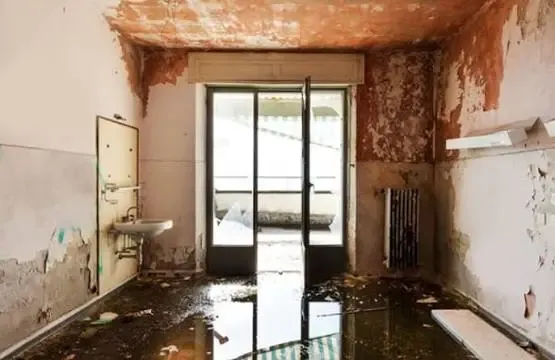
A flood can turn a normal Miami home into a serious cleanup problem in just a few hours. Heavy rain, tropical storms, hurricanes, drainage problems, and street water surges can leave standing water inside living areas very quickly.
Miami-Dade County identifies flooding as one of the area's persistent natural hazards. When water enters a property from outside, acting safely and quickly is critical to preventing long-term structural destruction and dangerous microbial growth.
This guide explains what to do after a flood in Miami, how to protect your safety, how to document damages for insurance, and how professional flood damage restoration protects your home.
1. Prioritize Personal Safety and Electrical Isolation
Never enter a flooded home until local authorities confirm the area is safe. Water mixed with electrical current is lethal.
If water has reached wall outlets, baseboard heaters, or appliances, shut off power at the main electrical panel only if the panel is located in a dry area. Otherwise, call Florida Power & Light (FPL) to disconnect service.
2. Treat Floodwater as Contaminated
Street floodwater and storm surges carry raw sewage, automotive fluids, bacteria, and debris (Category 3 'Black Water'). Avoid direct skin contact. If sewage has entered the structure, specialist sewage backup cleanup is required.
Miami-Dade County advises wearing heavy rubber boots, gloves, and N95 masks when inspecting flooded premises.
3. Document Everything for Insurance Claims
Before moving items or beginning water pumping, take thorough photo and video records. Capture high-water marks on drywall, ruined appliances, flooded furniture, and flooring.
Contact your flood insurance provider (NFIP / private carrier) immediately to open a claim file.
4. Extract Standing Water Immediately
Standing water must be pumped out as soon as safely possible. High-capacity emergency water extraction equipment is necessary to pull hundreds of gallons out before gypsum drywall and subfloors disintegrate.
5. Deploy Commercial Structural Drying
Floodwater wicks deep into concrete block, slab subfloors, and wood framing. Industrial LGR dehumidifiers and high-velocity air movers are deployed during structural drying to bring materials back to safe equilibrium moisture content.
6. Apply EPA-Registered Botanical Antimicrobials
The EPA recommends drying flood-affected structures within 24 to 48 hours to halt mold colonization. Treat all studs and concrete with hospital-grade sanitizers, and monitor for any required mold remediation.
Frequently Asked Questions
Yes. Exterior storm runoff and floodwater are classified as Category 3 black water, which contains bacteria, sewage, and chemical contaminants requiring professional sanitization.
Standard policies usually exclude rising exterior floodwater. Flooding requires a separate NFIP or private flood policy, while internal burst pipes are covered by standard homeowner policies.
Immediately once safe. The EPA emphasizes that mold and structural decay begin accelerating within 24 to 48 hours in South Florida's warm climate.