Water damage can turn a small leak into a major home repair problem. A leaking pipe, clogged AC drain, damaged roof, overflowing toilet, or heavy Miami rain can put water where it should not be.
The good news is that many water damage problems can be reduced with regular maintenance and early action.
Miami homeowners have some extra challenges to think about. Heavy rain, tropical storms, hurricanes, flooding, high humidity, and constantly running air conditioning systems can all create moisture problems. Miami-Dade County provides specific guidance for protecting homes before storms and reducing flood-related property damage.
In this guide, you will learn how to prevent water damage in your Miami home, which areas to inspect, what warning signs to watch for, and what to do when a small problem starts before it becomes an expensive emergency.
Why Water Damage Prevention Is Important in Miami
Water damage does not always start with a major flood. Sometimes it starts with:
- A slow pipe leak
- A clogged AC drain
- A small ceiling stain
- A leaking water heater
- A damaged roof
- A toilet that keeps overflowing
- Water collecting around the home
- A small leak under a sink
- Moisture trapped inside a wall
If these problems are ignored, water can spread into drywall, flooring, ceilings, cabinets, insulation, and other building materials.
Moisture can also create conditions for mold growth. The EPA explains that controlling moisture is the key to preventing indoor mold and recommends drying wet materials quickly after a leak or spill. That is why prevention is much better than waiting for a serious water damage emergency.
1. Check Your Plumbing Regularly
Plumbing problems are one of the most common causes of water damage. You do not need a major pipe break for damage to begin. A small leak under a sink or behind a toilet can continue for days or weeks without being noticed.
Check these areas regularly:
- Under kitchen and bathroom sinks
- Around toilets, bathtubs, and showers
- Behind washing machines and supply hoses
- Around water heaters and refrigerators with water lines
- Around dishwashers and exposed pipes
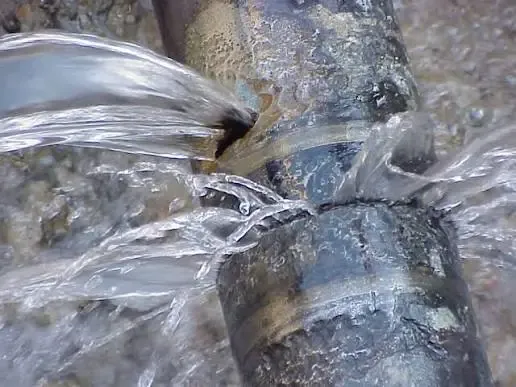
Look for dripping water, wet spots, rust, corrosion, swollen cabinets, peeling paint, water stains, and musty odors. If you suspect an active pipe issue, consult our burst pipe & leak repair services.
2. Know Where Your Main Water Shutoff Is Located
Every homeowner should know where the property's main water shutoff valve is located. This becomes especially important when a pipe suddenly bursts or an appliance overflows.
Make sure everyone in the household knows where the shutoff valve is and how to turn it off. In an emergency, turning off the main valve within seconds can save thousands of dollars in flooring and drywall repairs.
3. Maintain Your Air Conditioning System
Air conditioning systems run almost continuously in Miami due to the tropical heat and humidity. A full-time AC unit generates gallons of condensation every day.
If the AC condensate drain line becomes clogged with algae or dust, the drain pan overflows. This frequently leads to severe ceiling water damage or soaked drywall in closet enclosures.
The EPA recommends regularly checking and cleaning AC drain lines and drip pans to prevent overflows and mold colonization.
4. Inspect Roofs and Flashing After Storms
Tropical storms and hurricane-force winds can loosen shingles, crack concrete roof tiles, and degrade flashing seals around chimneys and vents. Water entering through a compromised roof will soak attic insulation and ceiling sheetrock before dripping into living areas.
Inspect your roof and attic spaces periodically, particularly before and after the Atlantic hurricane season (June through November).
5. Protect Your Home From Flooding and Heavy Rain
Miami-Dade County experiences sudden torrential rainfall and king tide events. Ensure exterior gutters and downspouts are clear and directed at least 5 to 10 feet away from your foundation.
If exterior storm runoff breaches sliding glass doors or street flooding enters your home, immediate flood damage restoration and emergency water extraction are essential to prevent permanent slab and wall damage.
6. Install Smart Water Leak Detectors
Inexpensive smart leak sensors placed near water heaters, washing machines, under sinks, and by AC units can alert your smartphone instantly at the first drop of moisture, allowing you to stop leaks before they spread.
What to Do If Prevention Fails and Water Strikes
If you discover water damage despite your best prevention efforts, act immediately: shut off the main water valve, photograph the damage, and contact a certified restoration team for structural drying and mold prevention.
Frequently Asked Questions
We recommend inspecting supply lines, under-sink valves, and water heaters at least every 3 to 6 months, and checking AC condensate lines monthly during peak summer months.
Because Miami AC units run nearly 24/7 in high humidity, extracting gallons of airborne moisture daily. If drain lines clog with algae, overflow water rapidly damages ceilings and walls.
While maintenance prevents the majority of appliance and plumbing leaks, severe weather and unexpected municipal surges can still happen. Fast emergency shutoff knowledge is key.