
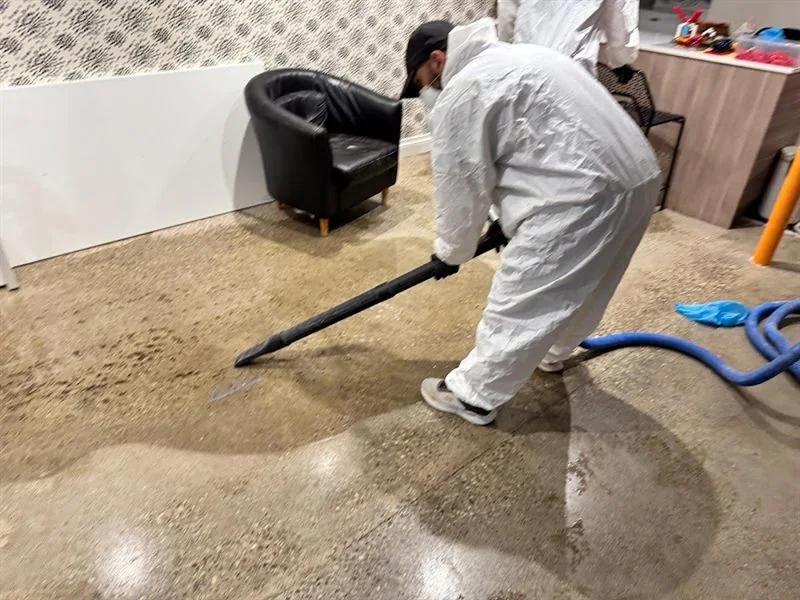
Not all water damage is easy to see. A flooded room or a burst pipe usually gets attention right away. Hidden water damage can be much harder to notice because the water may be trapped behind walls, under floors, or above ceilings.
Because hidden leaks continue silently for weeks or months, they often cause more structural decay, wood rot, and mold growth than sudden visible floods.
In this guide, you will learn the top warning signs of hidden water damage in Miami homes, how to locate concealed leaks, and what steps to take before structural integrity is compromised.
1. Unexplained Spikes in Water Bills
If your monthly water utility bill jumps significantly without an increase in household usage, a pressurized pipe may be leaking silently underground, behind drywall, or in a foundation slab.
2. Persistent Musty or Earthy Odors
A damp, musty smell that lingers even after cleaning is one of the most reliable indicators of hidden moisture and active mold growth inside stud cavities or under subfloors.
3. Stains and Discoloration on Walls & Ceilings
Yellow, brown, or copper water rings on drywall or ceilings indicate an ongoing or intermittent overhead leak. Check our guide on ceiling water damage repair and wall water damage restoration.
4. Warped, Buckling, or Spongy Flooring
Moisture migrating under tile, laminate, luxury vinyl plank (LVP), or hardwood causes floorboards to cup, crown, or feel squishy when walked upon.
5. Peeling Paint or Bubbling Wallpaper
When moisture wicks through drywall from an in-wall plumbing leak, paint loses adhesion and bubbles, while wallpaper adhesive breaks down.
6. Soft, Sagging Drywall or Crumbling Baseboards
Gypsum sheetrock softens when continuously wet. Baseboards may pull away from walls or feel brittle to the touch.
How Professionals Detect Hidden Water Damage Without Demolition
Restoration technicians use non-invasive technology including high-resolution FLIR infrared thermal cameras, pinless dielectric impedance moisture meters, and acoustic pipe sensors to pinpoint the exact perimeter of moisture without tearing down walls unnecessarily.
Once detected, specialists execute targeted structural drying and emergency extraction to preserve building materials.
Frequently Asked Questions
Professional restorers use non-invasive FLIR thermal imaging cameras and dielectric moisture meters to scan through sheetrock and tile without destructive demolition.
Homes built before 1975 across South Florida often feature cast iron drain lines and aging copper supply lines that corrode over time beneath concrete slabs.
Shut off the nearby water supply if possible and schedule a professional thermal moisture inspection to locate the leak source before mold spreads.